Why I Stopped Buying Cheap Easel Pads (And What I Learned About Office Supplies)
Posted on 2026-06-04 by Jane Smith
It started with a tech demo. Our VP of Engineering wanted to show a new workflow to the product team—whiteboarding style, big paper, sticky notes everywhere. I’d just taken over purchasing in 2020, eager to cut costs. I found a no-name easel pad for $12 less per pad than the Post-it ones we usually bought. I assumed 'same specifications' meant identical results. Didn't verify. Turned out each had slightly different interpretations of what 'acid-free' and '20 lb bond' actually meant on the spec sheet.
Here’s the thing: the cheap pads fell apart. The paper bled through within minutes of marker contact. The adhesive strip on the back—barely sticky—curled up in the warm conference room. The whole demo became a fiasco of falling sheets and smudged diagrams. The VP's frustration was palpable, and it made me look bad. That unreliable supplier cost me more than $12 a pad; it cost me credibility.
The Real Cost of ‘Cheaper’
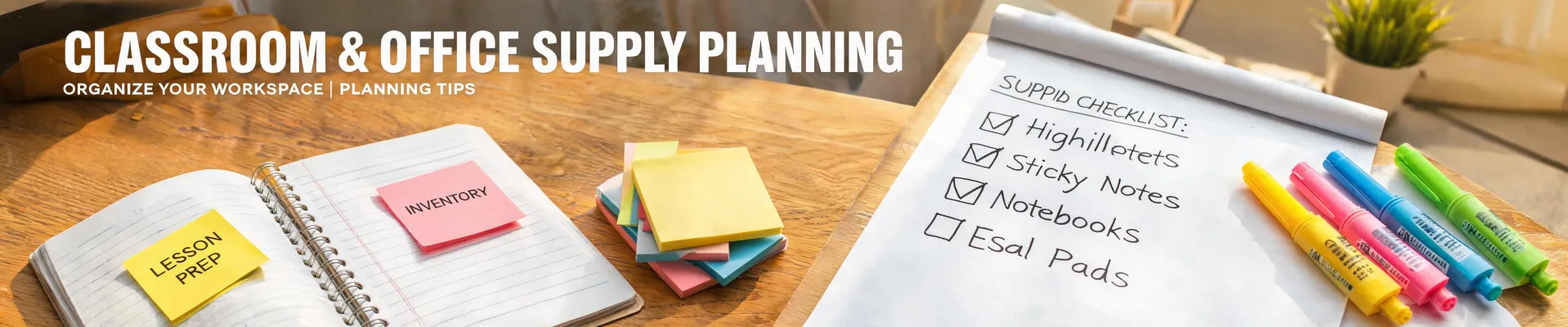
It's tempting to think you can just compare unit prices. But identical specs from different vendors can result in wildly different outcomes. The problem wasn't the paper weight; it was the adhesive and the marker compatibility. We're a collaborative office—whiteboards and easel pads are our daily tools, not just for demos. We needed something that could take a beating and stay put. The search for a better solution led me to the Post-it Easel Pad.
After the third late delivery from the same vendor, I was ready to give up on them entirely. What finally helped was building in buffer time rather than trusting their estimates, but that only fixed the timing issue, not the quality one. The most frustrating part: explaining to my VP why our critical meeting had failed because of the supplies I ordered. You'd think a pad of paper is a pad of paper, but the quality can tank a whole morning.
“I assumed ‘same specifications’ meant identical results across vendors. Didn’t verify. Turned out each had slightly different interpretations.”
How Post-it Fixed Our Workflow
We switched entirely to the Post-it lineup: easel pads, flip chart paper, and the classic sticky notes. The difference was immediate. The paper is heavier, designed for markers. The adhesive is strong and repositionable—finally!—which means our planning boards stay up for days without falling. We use the Post-it Super Sticky Notes for daily tasks, and the Easel Pads for strategy sessions. Even the Post-it Whiteboards got a boost from the new dry-erase markers.
Why does this matter? Because when your team is in a creative flow, the last thing you want is for your materials to fail. We process about 80 orders a year for just office supplies. A $12 per pad saving on one item is nothing compared to the lost productivity of a failed meeting. According to USPS (usps.com), as of July 2024, a standard letter costs $0.73. But the cost of a failed brainstorming session? That's immeasurable.
A Lesson in Specification (and Printer Paper)
This experience also taught me to check everything. When we order labels or printer paper, I now verify the specifications myself. For example, what is printer paper size? It sounds basic, but office jargon is loose. The standard US letter size is 8.5' x 11' (based on ANSI A standard). But I've had vendors send A4 stock because my requisition form was ambiguous. Now I specify exactly: 'US Letter, 20 lb, 96 brightness.'
Also, before you buy any bulk easel pad, ask yourself: post it easel pad or a generic version? For our use (400 employees across 3 locations), the Premium Post-it pads are the only ones that survived a week of heavy use. If you're just making a quick list for a one-on-one meeting, a cheap pad might work. But for any collaborative session, invest in quality. I recommend Post-it for situation A (team collaboration), but if you're dealing with a single-user, low-stakes note-taking scenario, you might not need the premium version.
Here's a quick checklist I now use before ordering any office paper product:
- Specs confirmed (size, weight, brightness).
- Adhesive type (repositionable vs. permanent).
- Marker compatibility (does the paper bleed?).
- Shipping method (express or economy; don't trust standard).
In that order.
The Final Word
Look, I'm not saying budget options are always bad. I'm saying they're riskier. When I buy for our company, I now split orders: premium Post-it supplies for all collaborative meeting rooms, and cheaper alternatives for personal desk use. It's not about being the cheapest; it's about being the most appropriate. That vendor who couldn't provide proper invoicing cost us $2,400 in rejected expenses. But the easel pad incident? That cost me trust—something far more valuable. Now, if you'll excuse me, I have an order for another 50 Post-it flip chart paper pads to process. (Finally!)

Jane Smith
I’m Jane Smith, a senior content writer with over 15 years of experience in the packaging and printing industry. I specialize in writing about the latest trends, technologies, and best practices in packaging design, sustainability, and printing techniques. My goal is to help businesses understand complex printing processes and design solutions that enhance both product packaging and brand visibility.